Hiking - Châtillon en Bazois, on the Canal
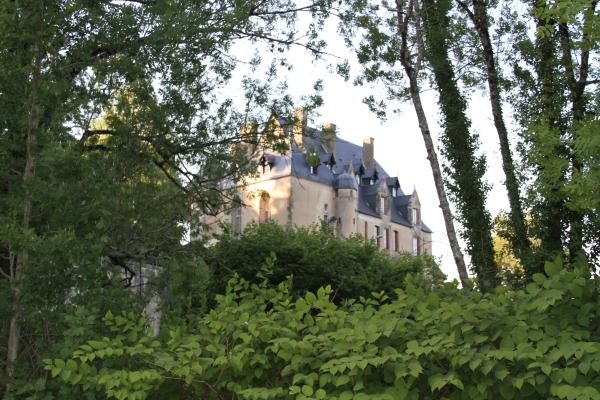
A pleasant walk through the agricultural lands of Bazois and along the Nivernais Canal, one of the most beautiful in Europe.
The history of Châtillon is linked to that of its castle. In the 10th century, a fortress belonging to the Count of Nevers stood on a rocky outcrop in a bend of the Aron river. He gave it to his son Robert, who became the founder of the Châtillon dynasty.
This dynasty died out in 1370 with the death of Jean V, whose tombstone can be seen in the church of Saint Jean Baptiste in Châtillon.
After a succession of owning families
and numerous transformations, the castle now belongs to the Sribny-Moreau family. It can be visited in July and
August. After the Revolution, in 1790, the
village of Châtillon became a commune. Its development
took place in the 19th century with the construction of roads, the Nivernais Canal for timber floating...
Today, the Canal is exclusively reserved for pleasure boating, and the towpath is classified as a cycle route.
The Nivernais Canal, wild and picturesque, is highly appreciated.
The history of Châtillon is linked to that of its castle. In the 10th century, a fortress belonging to the Count of Nevers stood on a rocky outcrop in a bend of the Aron river. He gave it to his son Robert, who became the founder of the Châtillon dynasty.
This dynasty died out in 1370 with the death of Jean V, whose tombstone can be seen in the church of Saint Jean Baptiste in Châtillon.
After a succession of owning families
and numerous transformations, the castle now belongs to the Sribny-Moreau family. It can be visited in July and
August. After the Revolution, in 1790, the
village of Châtillon became a commune. Its development
took place in the 19th century with the construction of roads, the Nivernais Canal for timber floating...
Today, the Canal is exclusively reserved for pleasure boating, and the towpath is classified as a cycle route.
The Nivernais Canal, wild and picturesque, is highly appreciated.